How a Tilt Coupler Works: 5 Things Every Operator Should Know
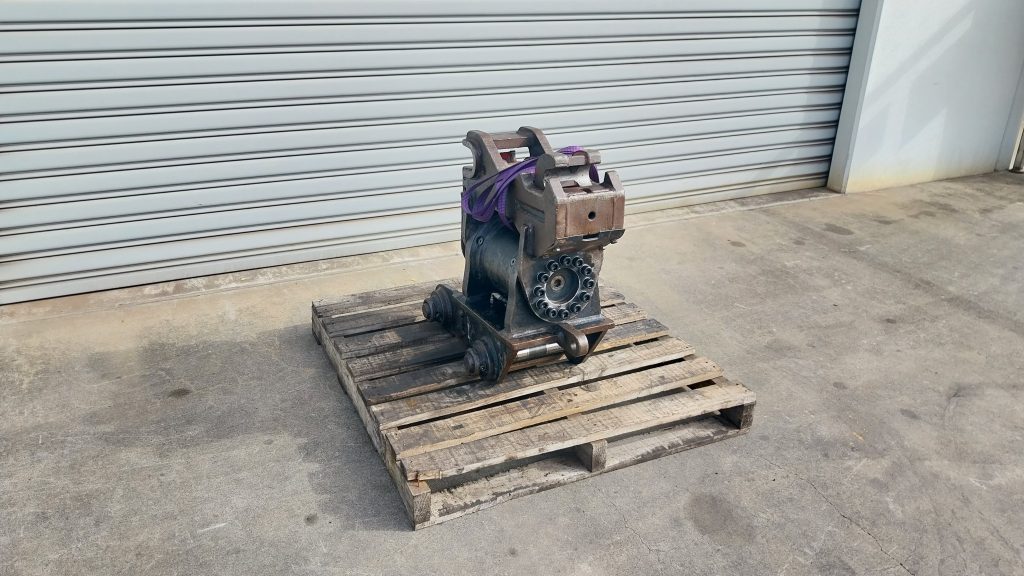
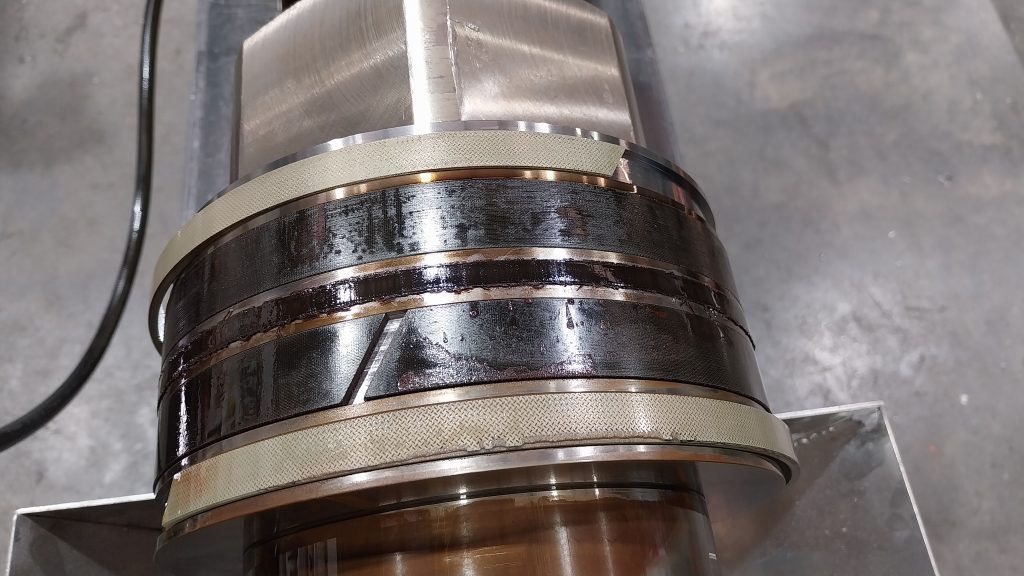
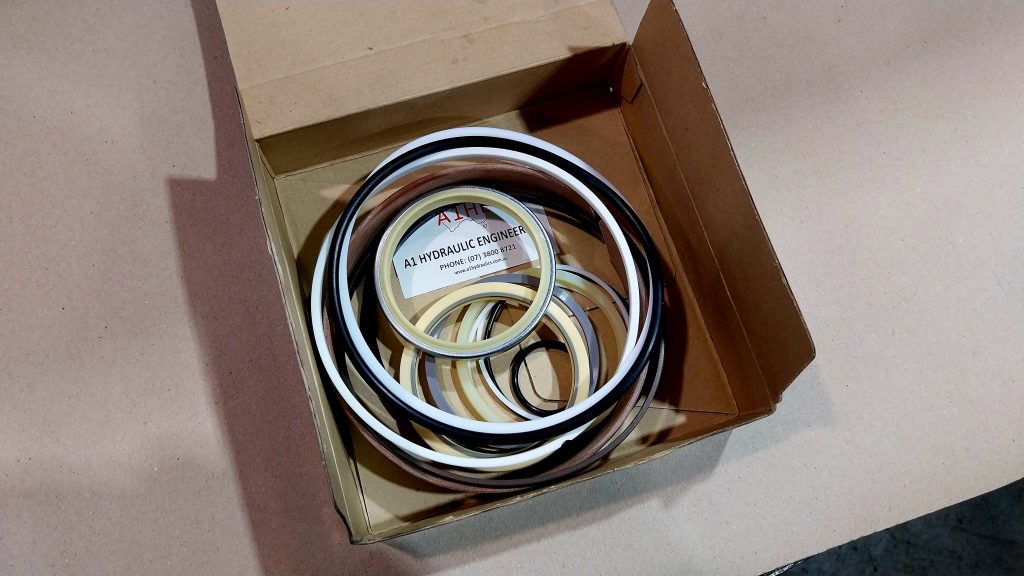
How Does a Tilt Coupler Work? (And Why Understanding It Will Save You Money) 📍 Serving Southeast Queensland & All of Australia | 🕐 6 min read In this article you will learn: ✔ What a tilt coupler actually does inside your machine ✔ The technology that makes it tilt ✔ The three key internal parts and why each one matters ✔ What to do every week to keep it running strong ✔ The warning signs that mean it needs a tilt coupler service If you own or operate an excavator with a tilt coupler (sometimes called a tilt hitch) you already know the value it adds on the job. Grading a batter, cleaning a table drain, finishing a berm, work that used to mean constant repositioning now just means adjisting the angle and getting on with it. What most operators do not get much time to think about is what is actually happening inside the unit. And that matters because understanding how a tilt coupler works is the foundation for knowing how to look after it properly. This guide walks you through the mechanics clearly and accurately so you can get the most life out of your tilt coupler and catch problems before they become expensive ones. What Is A Tilt Coupler? A tilt coupler is the unit that sits between the excavator arm and the bucket or attachment. Its job is to allow the bucket to rotate on the horizontal axis, tilting left and right independently of the machine’s main arm movement. Without it, matching the bucket angle to a sloped surface means repositioning the whole machine. With it, the operator adjusts the angle from the cab and keeps working. That efficiency adds up fast across a full days work. Common applications include: Grading and battering sloped ground Cleaning and profiling table drains and stormwater channels Landscaping and finish grading Backfilling trenches at an angle Any application where the working surface is not level How Does a Tilt Coupler Work? The tilt coupler uses hydraulic pressure to drive a piston inside the actuator body. What makes it different from a standard cylinder is what happens next: that linear piston movement is converted into rotational output through a set of helical spline teeth. The helical splines are machined at an angle along both the piston and the central shaft. As hydraulic pressure drives the piston axially (that is, in a straight line) the angled engagement of those spline teeth forces the shaft to rotate simultaneously. The housing remains stationary. The result is that linear hydraulic force becomes controlled rotational torque at the output end, which is what tilts the bucket. Pressure applied to Port 1 drives the piston in one direction, rotating the shaft and tilting the bucket one way. Pressure applied to Port 2 reverses the piston travel, reverses the shaft rotation, and tilts the bucket back. Full travel from stop to stop typically takes between 2 and 6 seconds depending on the machine’s auxiliary flow rate. This helical sliding spline design is what gives the tilt coupler its combination of compact size and high output torque. And it is also why the condition of those spline teeth is so critical to the unit’s long-term performance. Worth knowing: The helical spline design is the same technology used in high-torque industrial rotary actuators. It is specifically chosen because it produces strong, smooth rotation from a compact package without needing a separate gearbox. That efficiency is also its vulnerabilities: the spline teeth must stay clean and lubricated, must operate within the correct pressure range, and its prescribed maintenece obligations to get maximum service life. The Three Key Parts Inside a Tilt Coupler Knowing what these parts do and how they interact makes it much easier to understand why the maintenance requirements are what they are. 1. The Housing The outer body of the actuator. It remains stationary during operation and contains the hydraulic port connections and the integral ring gear that the helical teeth engage with. 2. The Central Shaft The output shaft that rotates to tilt the bucket. Helical spline teeth on its outer surface engage with the piston. It also carries the relief valves, which protect the unit from pressure spikes that could damage the unit. 3. The Piston The hydraulically driven component that does the converting. It carries two sets of helical spline teeth: one on the inside diameter engaging the shaft, and one on the outside diameter engaging the housing ring gear. This dual-spline arrangement is what translates axial piston travel into high-torque shaft rotation. The seals on the piston are also what contain hydraulic pressure in each direction. Worn or contaminated seals here are a common cause of the unit failing to hold position. Keep in mind: These are precision-machined components operating under high hydraulic pressure and significant mechanical load. Contaminated oil, insufficient lubrication, or operating outside the recommended pressure range will accelerate wear on the spline teeth and seals, damage that is often invisible until the unit starts losing performance, begins leaking, or fails to hold position. Tilt Coupler Service Schedule: What to Do and When Every tilt coupler has its accompanying documents. You must check your specific unit’s instructions and schedule. The key is actually sticking to it. The following is what a typical tilt coupler’s service schedule could be: Every Week Grease both grease fittings with a high-quality lithium-based grease. Apply until fresh grease purges from the opposite exhaust grease fitting. Wipe off excess. Inspect the unit for visible wear or damage. Address anything immediately. Small issues caught early are straightforward; the same issues left alone are not. Check mounting pin lubrication. Inspect the unit for loose fasteners. Re-torque to spec if required. Every 1,000 Hours Perform a full hydraulic flush to the unit. Because the working fluid in a tilt coupler stays in a sealed circuit and does not circulate through the main system, it degrades and accumulates contamination faster than most operators expect. Regular flushing keeps the internal environment clean
How a Tilt Coupler Works: 5 Things Every Operator Should Know Read More »